


Mobile Money in Cameroon isn’t just a payment method.
It’s a revolution.
Fifteen years ago, if you wanted to send 50,000 FCFA from Douala to a relative in a remote village in the South West Region, you had two choices:
- Pay a hefty fee at a Western Union or Express Union branch.
- Hand a physical envelope of cash to a bus driver and pray it arrived.
Today? You just hit “Send.”
In 2026, the landscape of Mobile Money in Cameroon has transformed the nation into the digital heartbeat of Central Africa. With over 25 million registered accounts, the “digital wallet” has officially replaced the physical one for the average Cameroonian.
But why did this take off here while traditional banks stayed stuck in the mud?
It comes down to one word: Access.
While traditional bank penetration in Cameroon has hovered at frustratingly low levels for decades, mobile phone penetration skyrocketed. The telcos didn’t just build a network; they built a financial ecosystem that works on a 15,000 FCFA “torch” phone just as well as it does on an iPhone 17.
In this comprehensive guide, I’ll breaks down exactly how Mobile Money in Cameroon became a multibillion-dollar industry, the players fighting for your balance, and what the “Cashless Cameroon” future actually looks like.
Key Stat: As of early 2026, Cameroon accounts for over 60% of all electronic money transactions in the CEMAC zone. If you want to see the future of African fintech, you look at Cameroon.
The 2026 Market Landscape: Who Are the Players?
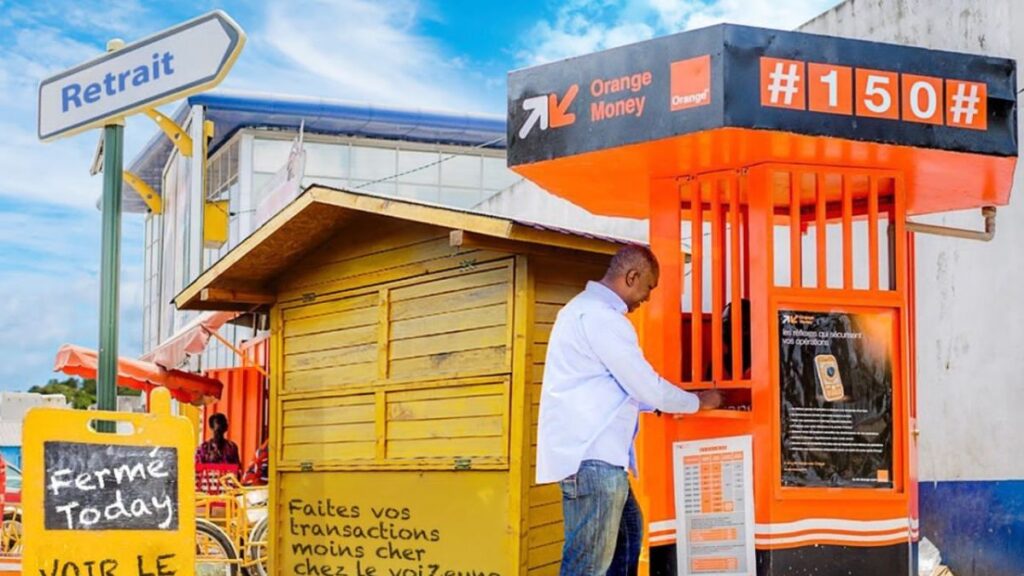
In the world of Mobile Money in Cameroon, there used to be a “Big Two” duopoly.
If you weren’t using MTN MoMo, you were using Orange Money.
But as we hit the second quarter of 2026, that comfortable two-horse race has turned into a high-stakes battlefield. New entrants, state-backed giants, and “fee-slashers” have entered the arena.
Here is the current state of play:
The Dominant Duopoly: MTN vs. Orange
Despite the new competition, these two still control over 85% of the total market volume.
- Orange Money Cameroon: Currently the slight leader in transaction value. Their “Max it” super-app has become the go-to for urban professionals paying everything from insurance to Canal+ subscriptions.
- MTN Mobile Money (MoMo): The king of the “Agent Network.” With the most extensive physical presence in rural Cameroon, MTN remains the lifeline for those outside Douala and Yaoundé.
The Disruptor: Wave Mobile Money
Wave officially landed in Cameroon via a partnership with CBC Bank, and they didn’t come to play nice.
- The Model: A flat 1% transfer fee and free cash withdrawals.
- The “Wave Effect”: Their entry forced Orange and MTN to pre-emptively slash their own fees in late 2025 to keep users from jumping ship.
The New State Contender: Blue Money (Camtel)
2026 marks the official rollout of Blue Money by the state-owned Camtel.
While they are late to the party, they hold a “hidden ace”: Camtel owns the national fiber-optic backbone. If they can translate their infrastructure monopoly into a stable, low-cost mobile wallet, they could quickly peel away users frustrated by network downtime on other platforms.
2026 Market Share Breakdown (Estimated)
| Operator | Market Role | Key Strength |
| Orange Money | Market Leader | Ecosystem & Super-App |
| MTN MoMo | Reach Leader | Rural Agent Network |
| Wave | Price Disruptor | 1% Fees / Free Withdrawals |
| Blue Money | New Challenger | State Infrastructure |
Understanding the Technology & Interoperability
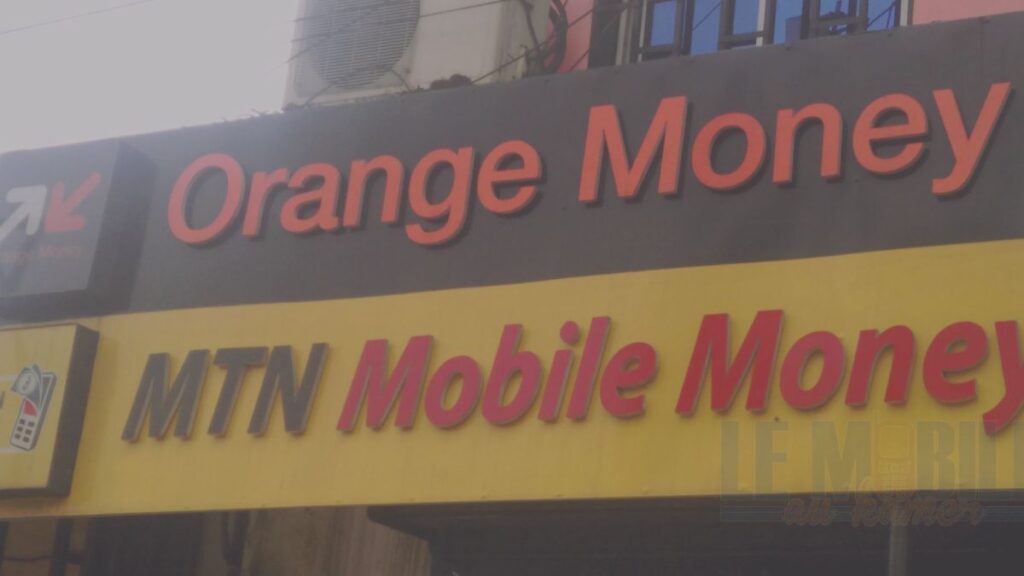
You might be wondering: “Can I send money from my MTN phone to someone on Orange?”
In 2022, the answer was “It’s complicated.”
In 2026, the answer is a resounding “Yes.”
GIMAC Pay: The Great Unifier
Thanks to the GIMAC Pay platform, Mobile Money in Cameroon is now fully interoperable. This means the digital walls have come down. You can now:
- Transfer money between different mobile networks.
- Move money from a traditional bank account (like CCA or Afriland) directly to a mobile wallet.
- Pay at a merchant using a QR code that works regardless of which app you use.
USSD vs. Mobile Apps
While 5G is rolling out in Douala, the USSD code (*126# and *150#) is still the undisputed king. Why? Because it doesn’t require data. In a country where data costs can still fluctuate, the “Star-Gate” (as locals call USSD) ensures that Mobile Money in Cameroon remains inclusive for everyone—from the street hawker to the CEO.
Costs, Taxes, and Regulations: The “Taxing” Truth
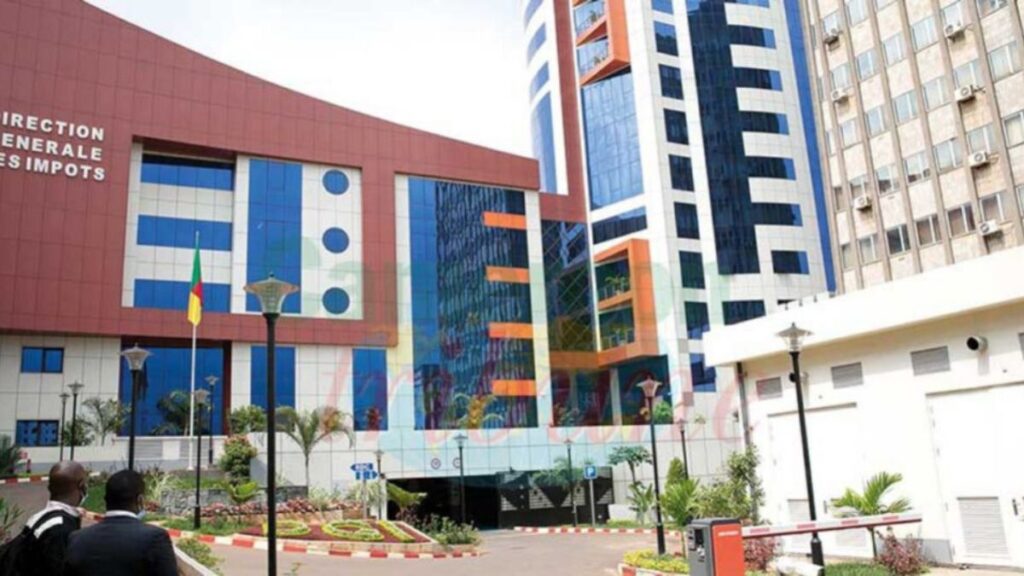
Let’s talk about the elephant in the room: The Cost.
If you’re using Mobile Money in Cameroon in 2026, you’ve noticed that your “Account Balance” and your “Spendable Balance” aren’t exactly the same.
Why? Because sending money isn’t just about the service fee anymore—it’s about the state’s cut.
The 0.2% Transfer Tax (The “Taxe sur les Transferts d’Argent”)
Since its controversial introduction, the 0.2% tax on electronic transfers has become a staple of the Cameroonian fiscal landscape.
Here is how the math works for a standard transaction:
If you send an amount , your total cost is generally calculated as:
Where:
- = The Service Fee charged by the operator (MTN, Orange, etc.).
- = The 0.2% Government Tax.
For example, if you send 100,000 FCFA, you aren’t just paying the operator’s ~500 FCFA fee. You are also paying 200 FCFA directly to the public treasury. It sounds small, but across billions of transactions, it’s a massive revenue stream for the state.
Withdrawal Fees: The Race to Zero?
This is where the battle for Mobile Money in Cameroon gets interesting.
- The “Old” Way: You paid a staggered fee based on how much you withdrew. The more you took out, the more you paid.
- The “Wave” Way: Following the entry of Wave, many users now enjoy 0% withdrawal fees at specific agents, shifting the cost burden back to the merchants or the sender.
Regulation: Who is Watching the Watchmen?
Your money isn’t just floating in the “cloud.” It’s strictly regulated by two major bodies:
- BEAC (Bank of Central African States): They issue the “Electronic Money” licenses.
- COBAC: The regional banking commission that ensures your provider actually has the cash reserves to back up your digital balance.
In 2026, the regulation has tightened. Providers are now required to hold 100% of user deposits in “escrow” accounts at commercial banks. This means even if MTN or Orange went bankrupt tomorrow, your Mobile Money in Cameroon balance is legally protected.
The Fraud Epidemic: Staying Safe in 2026
As the ecosystem grew, so did the “scammers.”
In 2026, fraud has evolved beyond the simple “accidental transfer” phone call. Hackers are now using sophisticated social engineering and SIM-swap techniques.
The Golden Rules of 2026:
- The PIN is Sacred: No MTN or Orange agent will ever ask for your PIN. If they do, hang up.
- The “Reverse” Scam: Never “approve” a transaction you didn’t initiate, even if the person on the phone sounds distressed.
- Two-Factor (2FA): If you use the app versions of Mobile Money in Cameroon, ensure your fingerprint or face ID is enabled.
The Future: What’s Next for 2027 and Beyond?
We’ve moved past the “Cash In, Cash Out” phase. The next 24 months will define the “Second Wave” of fintech in the country.
1. The Rise of “Nano-Lending”
In 2026, your transaction history is your credit score. Operators are moving aggressively into micro-loans. Instead of going to a bank for a 50,000 FCFA loan to buy stock for your shop, you’ll apply directly via your MoMo or Orange Money menu. Algorithms will analyze your monthly “Mobile Money in Cameroon” flow to approve loans in seconds.
2. From USSD to “Super-Apps”
While the *126# and *150# codes are nostalgic, they are limited. We are seeing a massive push toward Super-Apps like Orange Max it. These apps integrate:
- E-commerce: Buying groceries directly in the app.
- Streaming: Paying for and watching local content.
- Ticketing: Booking inter-city buses (like Finexs or United Express) without leaving your house.
3. AI-Driven Fraud Prevention
As scammers get smarter, so does the network. By 2027, expect “Predictive Security.” AI models are already being integrated to flag “unusual” transaction patterns—like a sudden 500,000 FCFA transfer from a phone that usually only handles 5,000 FCFA—holding the funds until voice or biometric verification is provided.
4. The Crypto & Stablecoin Intersection
While the BEAC has historically been cautious, the pressure of cross-border trade is mounting. We are seeing early pilots of Stablecoins (cryptocurrencies pegged to the Euro or Dollar) being used by wholesalers to pay for imports, with the final “off-ramp” being a direct deposit into a local Mobile Money in Cameroon wallet.
Conclusion: The Backbone of Great Ambitions
If you want to understand the modern Cameroonian economy, don’t look at the skyscrapers in Douala. Look at the “Call Box” agent on the corner.
Mobile Money in Cameroon has achieved what traditional banks couldn’t do in fifty years: it gave every citizen a seat at the financial table. Whether you are a student in Soa, a cocoa farmer in Mamfe, or a techie in Bastos, your phone is now your bank, your tax office, and your lifeline.
As we continue to track this space, one thing is clear: The physical franc is fading. The digital franc—fast, taxed, but incredibly efficient—is here to stay.
237info Checklist: How to Stay Ahead
- Check your fees: Use apps like Wave to compare 1% transfer costs vs. traditional operator scales.
- Audit your history: Regularly download your e-statements for your own “credit” record-keeping.
- Stay Secured: Update your app monthly and never share your PIN.