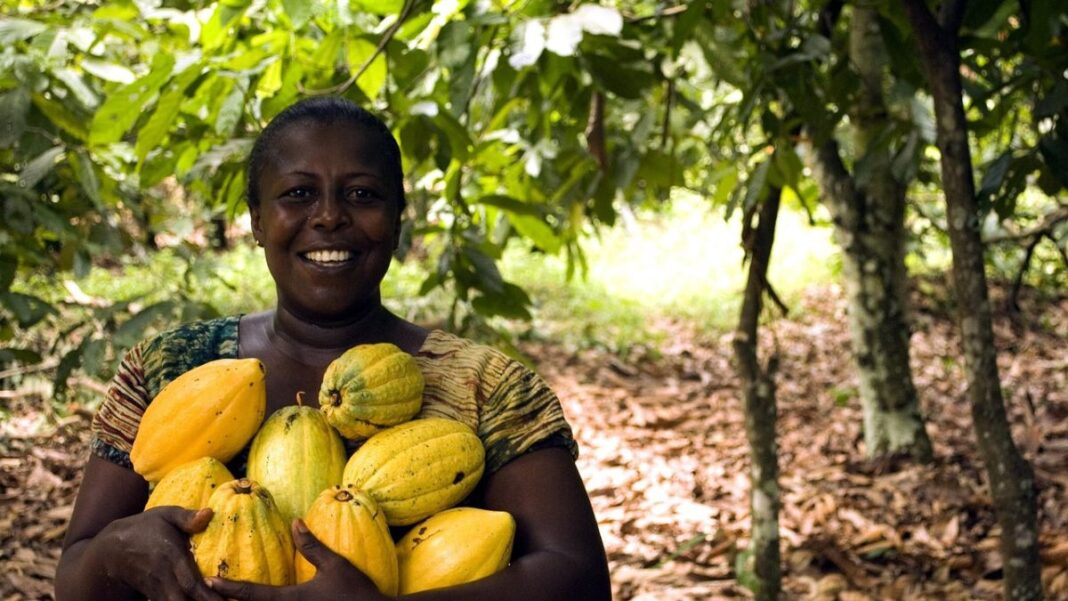

The global cocoa market has recently experienced a dramatic shift, moving from a period of record highs to a significant drop in cocoa prices. After soaring to unprecedented levels, in some cases reaching close to $12,000 per tonne, the price of cocoa has seen a sharp correction, plunging by as much as 45-50% in a matter of months. This volatility sends ripples across the entire value chain, affecting everything from the smallholder farmer in West Africa to the final price of a chocolate bar on a supermarket shelf.
Understanding this correction requires an in-depth look at the preceding supply crunch, the structural factors that make the cocoa market inherently unstable, and the resulting change in industrial demand.
The Road to the Peak: Why Prices Soared First
To grasp the recent drop in cocoa prices, one must first understand the confluence of crises that drove them to record levels over the 2023-2024 period.
- West African Supply Crisis: Côte d’Ivoire and Ghana, which collectively account for approximately 60% of the world’s cocoa, faced successive seasons of poor harvests.
- Adverse Weather: The El Niño weather pattern brought prolonged periods of drought followed by heavy, unseasonal rains, severely disrupting the flowering and pod development cycles.
- Disease Outbreaks: The pervasive Cacao Swollen Shoot Virus (CSSV) and Black Pod disease continued to decimate aging plantations, with poor farmer incomes limiting the use of necessary fertilizers and pesticides to combat the spread.
- Aged Plantations: A significant portion of cocoa trees in the major producing regions are beyond their peak productivity (typically 5-15 years), and low historical prices have discouraged farmers from undertaking the costly and time-consuming process of replanting.
- Speculative Frenzy: The genuine supply deficit was amplified on the futures exchanges (London and New York) by speculative trading. As prices rose, more capital flowed into the market, exacerbating the upward trend.
This extreme scarcity and speculative activity pushed prices to historical highs, an unsustainable peak that ultimately set the stage for the current correction.
The Mechanics of the Recent Drop in Cocoa Prices
The sharp reversal in the market—with prices correcting significantly toward the $5,000-$7,000 per tonne range—is primarily a function of two key shifts: improved production outlook and “demand destruction.”
Advertisement
1. Optimistic Harvest Forecasts and Supply Recovery
The most immediate catalyst for the drop in cocoa prices has been the expectation of a significant recovery in the 2025/2026 season’s harvest, particularly in West Africa.
- Improved Weather Conditions: Following the dry spells, increased rainfall in key cocoa-growing regions has led to more optimistic outlooks for crop yields. Reports indicate favorable development of cocoa pods.
- End of Speculation: As the physical supply outlook improved, much of the speculative money that had inflated the market began to exit, a common trend in commodity markets. This unwinding of positions caused a rapid and dramatic correction from the peak.
- Increased Production Elsewhere: Countries outside of West Africa, such as Ecuador, Brazil, and Cameroon, have shown strong production growth, which is contributing to the expected global surplus for the upcoming season.
2. The Impact of Demand Destruction
The sustained period of record-high raw material costs inevitably led to a reaction from the industrial side of the market—chocolate manufacturers and processors (grinders).
- Lower Grindings: Cocoa grindings—the process of turning beans into the paste, butter, and powder used in chocolate—are a key measure of industrial demand. Grindings in Europe and Asia, the largest processing regions, have seen substantial year-over-year declines (e.g., -7.2% in Europe and -16% in Asia in Q2 2025). This confirms that manufacturers are pulling back on processing due to the crippling cost of the beans.
- Product Reformulation and Shrinkflation: To manage costs, many chocolate companies resorted to demand destruction tactics:
- Shrinkflation: Reducing the size of chocolate bars while maintaining the price.
- Dilution: Lowering the actual cocoa content in products, or using alternative ingredients to reduce reliance on the expensive commodity.
The combination of an expected supply surplus and clear evidence of weakening industrial demand created a powerful bearish momentum, driving the recent drop in cocoa prices.
Impact Across the Cocoa Value Chain
For Cocoa Farmers
For the smallholder farmers in West Africa, the recent price spike and subsequent drop present a complicated picture.
- Limited Benefit from the Peak: Despite global prices reaching historic highs, most farmers in Côte d’Ivoire and Ghana did not fully benefit due to government-set farmgate prices and the complexities of the supply chain. While some farmgate prices were raised, they remained a small fraction of the futures market price.
- Vulnerability to the Drop: The new drop in cocoa prices is now exerting downward pressure on the income of producers in countries like Cameroon, where local port prices have fallen sharply. This highlights the extreme vulnerability of agricultural incomes to global market conditions. The high-risk, low-reward cycle persists: when prices soar, they gain little; when they crash, they suffer immediately.
For the Chocolate Industry
The industry, while perhaps relieved by the correction, is still navigating a complex landscape.
- Chocolate Prices Remain High: Despite the drop in cocoa prices on the commodity exchanges, consumer prices for chocolate have yet to follow suit. Manufacturers are still working through high-cost inventory purchased during the peak. Moreover, chocolate is a “sticky” product: once consumer prices are raised, they are slow to come down, as manufacturers also cite high labor, energy, and sugar costs.
- Structural Uncertainty: While the price correction is welcome, structural issues—aging trees, disease, and climate change vulnerability in West Africa—remain unaddressed. The market is merely correcting to a high-risk equilibrium, not a stable one.
Navigating the Future: Stability and Sustainability
The extreme volatility underscores the need for deep, structural change in the cocoa sector. The current, more “rational” price level, though a significant drop in cocoa prices from the peak, is still notably higher than the long-term historical average, suggesting that the underlying structural supply constraints remain a potent risk factor.
Moving forward, the focus must shift to:
- Farmer Resilience and Living Income: Initiatives like the Living Income Differential (LID) introduced by Ghana and Côte d’Ivoire, which adds a premium to the market price, are vital but need stronger enforcement and support. Ensuring farmers earn a living wage is the only sustainable way to finance farm renewal, disease management, and climate adaptation.
- Supply Diversification: The high geographic concentration of cocoa production is a fundamental instability factor. Efforts by countries like Ecuador and Brazil to expand production will help to mitigate the risk of a single weather event or disease outbreak collapsing global supply.
- Traceability and Regulations: European Union regulations, such as the EU Deforestation Regulation (EUDR), aim to increase supply chain transparency and combat deforestation linked to cocoa. While the implementation may present short-term hurdles, such standards are crucial for long-term sustainability and attracting ethical investment.
The current market adjustment offers a crucial reprieve for the cocoa industry. However, without addressing the deep-seated issues of farmer poverty, aged infrastructure, and climate vulnerability, the cycle of extreme volatility, driven by supply shocks and speculation, is almost certain to repeat.

