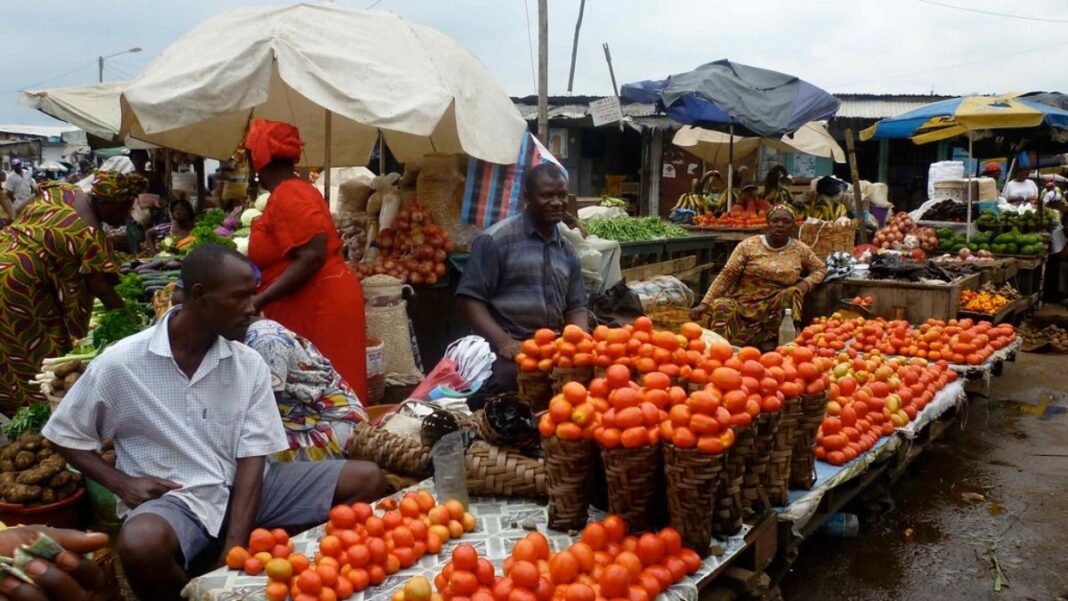

Formal vs Informal Business dynamics shape the very fabric of entrepreneurship in Cameroon, a nation often described as “Africa in Miniature” due to its cultural and economic diversity. Throughout the territory, the interplay between registered entities and unregistered traders creates a unique ecosystem. For any entrepreneur looking to find long-term success in this environment, understanding the nuances of these two sectors is not just a benefit—it is a necessity for survival and growth.
Formal vs Informal Business in the Cameroonian Context
In Cameroon, the informal sector is a powerhouse, accounting for a significant portion of the GDP and providing employment for nearly 90% of the workforce. This sector includes street vendors, “call-box” operators, small-scale farmers, and “bayam-sellams” (market traders). These businesses operate outside the regulatory framework, often avoiding official registration, social security contributions, and standard corporate taxes.
On the other side of the coin, the formal sector comprises businesses that are legally registered with the Ministry of Small and Medium-Sized Enterprises, Social Economy, and Handicrafts (MINPMEESA). These entities have a Taxpayer Identification Number (NIU), pay corporate taxes, and adhere to the OHADA (Organization for the Harmonization of Business Law in Africa) standards. While the formal sector requires more administrative effort, it offers a level of structural integrity that the informal sector lacks.
The Strategic Pros and Cons of Each Model
When weighing the choice between a Formal vs Informal Business model in Cameroon, one must consider the trade-off between immediate flexibility and long-term scalability.
The Informal Route: Agility and Low Barriers
The primary draw of the informal sector is the ease of entry. You can start a business tomorrow with minimal capital and zero paperwork. This “lean” approach allows entrepreneurs to test market demand without the pressure of tax deadlines. However, the “hidden costs” are significant. Informal businesses are often subject to “tracas” (harassment) from local authorities and have zero access to traditional bank loans or government grants. They rely heavily on njangis (traditional savings circles) for capital, which, while effective, are limited in scope.
Advertisement
The Formal Route: Credibility and Growth
Formalizing a business opens doors that are otherwise bolted shut. Only registered businesses can bid for lucrative government contracts, partner with international NGOs, or secure financing from commercial banks like Afriland First Bank or BICEC. Furthermore, formalization protects the business owner’s personal assets through legal structures like the SARL (Limited Liability Company).
Exclusive Strategies for Effortless Success in Cameroon
To succeed in Cameroon’s complex market, smart entrepreneurs don’t just choose one side; they navigate the transition strategically. Here are exclusive strategies to master the Formal vs Informal Business divide:
1. The “Start Small, Think Big” Hybrid Approach
Many successful Cameroonian entrepreneurs begin in the informal sector to validate their business idea. This allows you to build a customer base and refine your product without the overhead of immediate taxation. However, the secret to “effortless success” is setting a “formalization trigger.” Once your monthly revenue hits a certain threshold—for instance, 1 million FCFA—you should begin the process of registration. This prevents you from being caught off guard by regulators as you become more visible.
2. Leverage the “Impôt Libératoire”
The Cameroonian tax system offers a middle ground for small players known as the Impôt Libératoire. This is a simplified tax category for micro-businesses that haven’t yet reached the turnover required for the “Simplified” or “Actual” tax systems. Utilizing this allows you to gain legal standing and a business license (patente) at a fraction of the cost, bridging the gap between being completely informal and fully corporate.
3. Digital Formalization
In the modern Cameroonian economy, “formal” doesn’t just mean having papers; it means having a digital footprint. Using Mobile Money (MTN MoMo or Orange Money) for transactions provides a digital paper trail. Even if you are still in the informal stage, keeping digital records makes the eventual transition to a Formal vs Informal Business status much smoother when applying for credit or proving your turnover to investors.
Overcoming the Barriers to Formalization
The perceived “headache” of Cameroonian bureaucracy often keeps businesses in the informal shadows. However, the government has made strides through the creation of CFCEs (Business Creation Service Centres). These one-stop shops aim to reduce the time it takes to register a business to just 72 hours.
To ensure success, entrepreneurs should focus on:
Compliance with Social Security (CNPS): Registering your employees not only fulfills a legal obligation but increases staff loyalty and productivity, which are essential for scaling.
Professional Networking: Joining groups like GECAM (Groupement des Entreprises du Cameroun) provides a platform to learn from established formal players and gain insights into navigating policy changes.
Conclusion: Balancing the Two Worlds
The debate between Formal vs Informal Business isn’t about which is “better,” but which is right for your current stage of growth. The informal sector provides the entrepreneurial spirit and grassroots energy that fuels Cameroon, while the formal sector provides the framework for national and international expansion.
By starting with the agility of the informal sector and transitioning into the structured benefits of the formal sector, Cameroonian entrepreneurs can enjoy a path of least resistance. True success in Africa’s Miniature comes from respecting the hustle of the streets while building the systems of a corporation. Whether you are selling tech solutions in Buea’s “Silicon Mountain” or trading commodities in Douala, a strategic approach to formalization is your ultimate ticket to effortless, long-term prosperity.

