
The stock market you’ve heard of—but never understood.
When people talk about investing, names like the New York Stock Exchange (NYSE) or the London Stock Exchange (LSE) usually dominate the conversation. However, right in the heart of Africa, a financial transformation is taking place. If you live in or do business within the CEMAC region (Cameroon, Gabon, Chad, Congo, Equatorial Guinea, and the Central African Republic), there is one acronym you need to know: BVMAC.
In this guide, we will demystify the Bourse des Valeurs Mobilières d’Afrique Centrale (BVMAC), explain its history involving the former Douala Stock Exchange, and show you how it works today.
What Exactly is BVMAC?
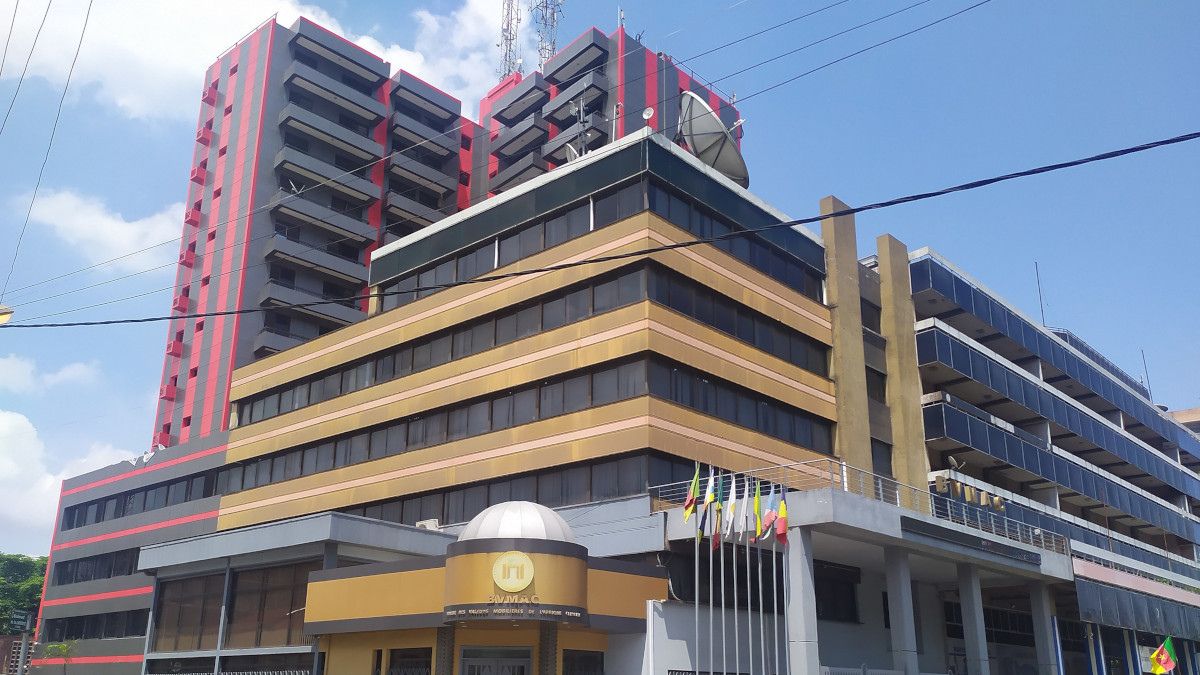
The BVMAC is the unified regional stock exchange for the six member states of the Central African Economic and Monetary Community (CEMAC). Based in Douala, Cameroon, it serves as a central marketplace where companies and governments can raise capital, and where individual investors can buy and sell shares or bonds.
A Brief History: The Merger
For years, the region actually had two competing stock exchanges:
- BVMAC: Originally based in Libreville, Gabon.
- DSX (Douala Stock Exchange): Based in Douala, Cameroon.
Having two separate exchanges in one small economic zone was inefficient. In 2019, under the guidance of regional regulators, the two entities merged. The headquarters was consolidated in Douala—the economic lung of the region—to create a deeper, more liquid market. This merger was a turning point for the Central African Stock Exchange, making it the primary gateway for regional investment.
How Does the Market Work?
The BVMAC operates similarly to other global exchanges, but with a few unique characteristics tailored to the CEMAC economy.
1. The Players
- The Regulator (COSUMAF): The “police” of the market. They ensure transparency and protect investors.
- The Issuers: These are the companies (like La Régionale or SAFACAM) or governments (like the Republic of Gabon) that issue stocks or bonds to raise money.
- The Brokerage Firms (SGI): You cannot buy stocks directly from the BVMAC. You must go through a licensed intermediary known as a Société de Gestion et d’Intermédiation (SGI).
- The Central Depository: This is the entity that records who owns what, ensuring that when you buy a share, it is digitally registered in your name.
2. What Can You Trade?
Currently, the market is divided into two main categories:
- Equities (Stocks): Ownership stakes in private companies. When the company profits, you may receive dividends.
- Bonds (Debt): Essentially loans you give to a government or a large corporation for a fixed period in exchange for regular interest payments (coupons). In Central Africa, the bond market is currently much larger and more active than the stock market.
Why Invest in the Central African Stock Exchange?
Investing in your local market isn’t just about patriotism; it’s about early-mover advantage.
- Diversification: It allows you to move your savings out of traditional bank accounts (which often have low interest) and into assets that grow with the economy.
- Regional Growth: The CEMAC zone is rich in natural resources and has a growing middle class. By investing in BVMAC, you are betting on the industrialization of Central Africa.
- Tax Incentives: Many countries in the region offer tax breaks on capital gains or dividends earned through the exchange to encourage public participation.
Challenges to Keep in Mind
While the potential is high, the BVMAC is still a “frontier market.” This means it comes with specific risks:
- Liquidity: There aren’t as many buyers and sellers as there are in Paris or New York. It might take longer to sell your shares if you need cash quickly.
- Limited Listings: There are currently fewer than a dozen companies listed on the equity board, though this number is expected to grow as governments push state-owned enterprises to go public.
How to Get Started: A Step-by-Step Guide
If you are ready to move from the sidelines to the trading floor, follow these steps:
- Choose an SGI: Research licensed brokerage firms in Douala, Libreville, or Brazzaville.
- Open a Securities Account: Similar to a bank account, but for stocks. You will need your ID and proof of residence.
- Define Your Strategy: Are you looking for steady interest from government bonds, or are you willing to take a risk on company stocks for higher potential returns?
- Place Your Order: Tell your broker which security you want to buy and at what price.
Related: How to buy stocks in Cameroon.
Summary Table: BVMAC at a Glance
| Feature | Description |
| Headquarters | Douala, Cameroon |
| Member Countries | Cameroon, Gabon, Chad, Congo, CAR, Equatorial Guinea |
| Primary Currency | CFA Franc (XAF) |
| Main Regulator | COSUMAF |
| Key Assets | Government Bonds, Corporate Bonds, Company Shares |
The Central African Stock Exchange is no longer a “hidden” financial tool. Since the merger of the Douala Stock Exchange and the old BVMAC, the path is clear for a unified, stronger financial future in Central Africa. Whether you are a small saver or a large institutional investor, understanding this market is the first step toward building regional wealth.