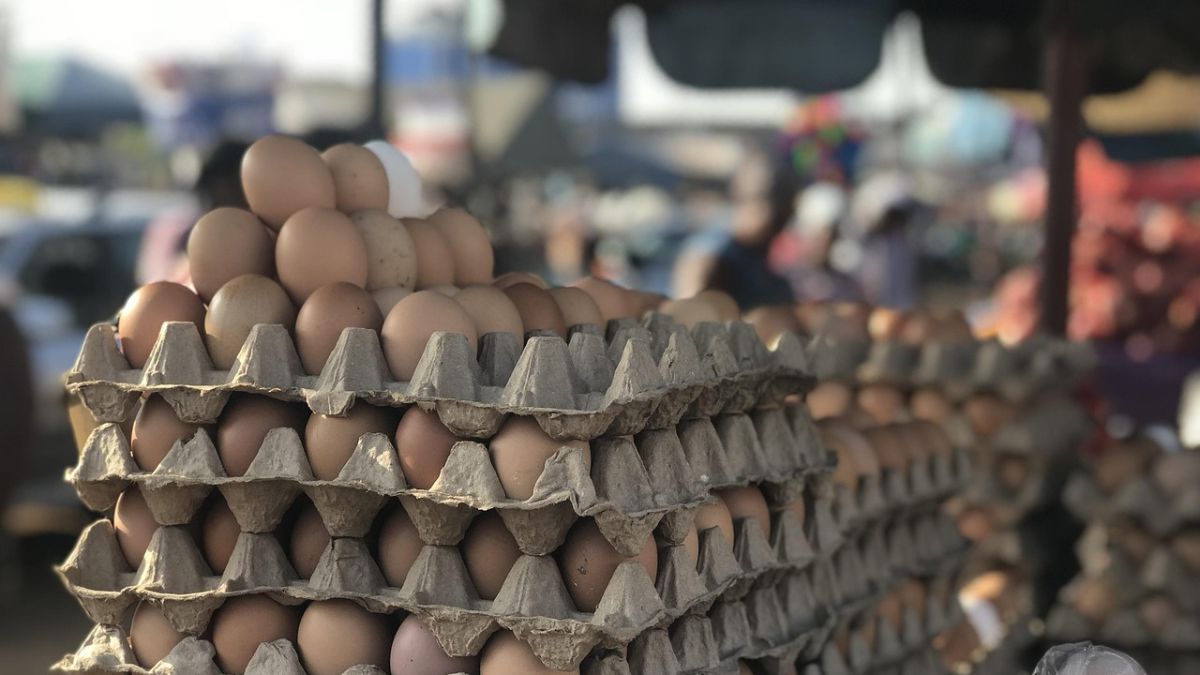

If you have walked through the Marché Central in Yaoundé or Marché Sandaga in Douala recently, you don’t need a statistician to tell you that prices are climbing. Whether it’s the cost of a bag of rice, the “taxi drop,” or the monthly electricity bill, your CFA franc simply doesn’t stretch as far as it did two years ago.
While Cameroon long enjoyed a period of relative price stability (averaging under 3% for over a decade), that era ended abruptly in 2022. Today, inflation in Cameroon is a central theme of kitchen-table conversations and national policy debates.
In this post, we’ll dive into the hard data behind the price hikes, explore why this is happening, and—most importantly—outline practical strategies for you and your business to survive and thrive.
Related: Understanding the sharp drop in cocoa prices.
1. The State of Play: By the Numbers
To understand where we are, we must look at where we’ve been. According to the National Institute of Statistics (INS), Cameroon has exited its “low inflation” comfort zone:
- The Peak: Inflation hit a historic high of 8.5% in March 2023.
- The Recent Trend: After averaging 7.4% in 2023, the rate slowed to approximately 4.5% in 2024.
- Current Reality (2025): As of late 2025, inflation has stabilized significantly, dropping to roughly 2.8% in October 2025.
- The Cumulative Impact: Between 2022 and 2024, Cameroonians experienced a cumulative inflation of 19.3%. Essentially, a basket of goods that cost 10,000 FCFA in 2021 cost nearly 12,000 FCFA just three years later.
| Category | Typical Price Increase (2024-2025) |
| Food Inflation | ~6.1% |
| Transportation | ~12.7% |
| Housing & Utilities | ~3.2% |
Note: While the rate of inflation is slowing down, prices are not necessarily falling—they are just rising more slowly. This is known as “disinflation.”
Related: Cameroon’s economy explained.
2. Why is Everything So Expensive? (The Causes)
Inflation in Cameroon isn’t caused by just one factor; it’s a “poly-crisis” of internal and external pressures.
A. The Fuel Factor
In February 2023 and again in February 2024, the government reduced fuel subsidies, leading to sharp increases in pump prices. Because Cameroon relies heavily on road transport for food distribution, higher fuel costs immediately translated into:
- Higher taxi and “benskin” (motorcycle) fares.
- Increased costs for transporting plantains, tubers, and vegetables from rural farms to urban centers like Douala.
B. Security Challenges
The ongoing “sociopolitical” crises in the North-West and South-West (NOSO) regions and the Far North (Boko Haram) have disrupted two of Cameroon’s most productive “breadbaskets.” When farmers can’t safely till the land or transport goods, supply drops, and prices in the city skyrocket.
C. Imported Pressures
Cameroon still imports a significant amount of wheat, rice, and fertilizers. Global events—like the tail-end of the Russo-Ukrainian conflict and fluctuations in the USD/FCFA exchange rate—made these essentials more expensive to bring into the Port of Douala.
D. Climate Shocks
2024 and 2025 saw extreme weather patterns. Floods in the Far North destroyed over 85% of agricultural land in some areas, leading to localized shortages of cereals and onions, which then rippled through the rest of the country.
3. The Consequences: Beyond the Wallet
The impact of inflation goes deeper than just high prices; it reshapes the fabric of Cameroonian society.
- Rising Poverty: Estimates suggest that the poverty incidence may have risen to 37.7%. When food takes up 60-70% of a household’s budget, there is no money left for education or healthcare.
- Reduced “Quality of Life”: Families are forced to switch from “noble” proteins (beef, fresh fish) to cheaper alternatives or reduce the number of meals per day.
- Business Squeeze: For Small and Medium Enterprises (SMEs), rising input costs and the 2025 Finance Law (which introduced new fiscal measures) have squeezed profit margins. Many businesses are struggling to pay “Njangi” contributions or staff salaries.
4. Survival Strategies: Navigating the 2025 Economy
The government is targeting a 3% inflation rate for the coming years, but you cannot wait for policy to change your reality. Here is how to adapt:
For Households:
- Buy in Bulk (The Group Strategy): Partner with neighbors or colleagues to buy bags of rice, flour, or oil directly from wholesalers.
- Backyard Farming: Even in cities like Yaoundé, growing small amounts of peppers, tomatoes, or vegetables in pots can shave 5,000–10,000 FCFA off your monthly grocery bill.
- Switch to Local Substitutes: Instead of expensive imported bread (wheat-based), explore tubers like cassava, sweet potatoes, or locally produced maize flour.
For Businesses & Entrepreneurs:
- Digital Transformation: Use digital tools for inventory management to reduce waste. According to recent reports, businesses that digitized operations saw improved resilience against rising costs.
- Revenue Diversification: Don’t rely on one product. If you run a retail shop, consider adding services (like mobile money or bill payments) that aren’t as affected by physical supply chain disruptions.
- Financial Hedging: If you import goods, talk to your bank about “forward contracts” to lock in exchange rates, protecting you from sudden drops in the FCFA’s value against the dollar.
Conclusion
Inflation in Cameroon has been a harsh wake-up call, but the 2025 data shows a glimmer of hope as price hikes begin to cool. By understanding the structural causes—from fuel prices to security—and adopting a “local-first” survival mindset, you can protect your purchasing power and your future.