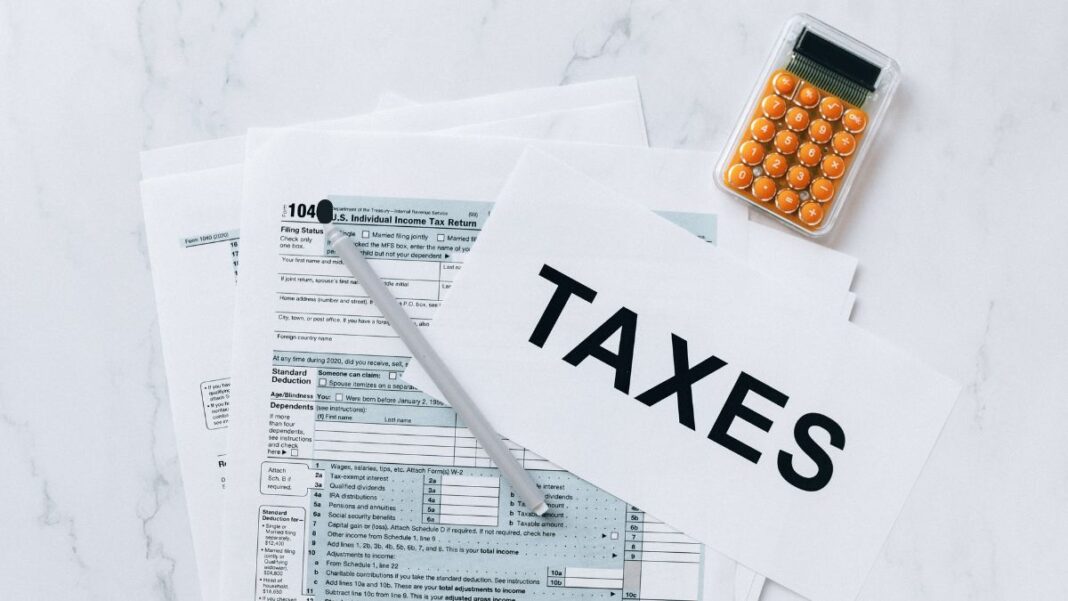

Navigating the fiscal landscape in Cameroon can feel like walking through a minefield. One wrong move, and your margins evaporate.
But here is the “insider secret” that most business owners miss: The government actually wants to give you a break—if you know where to look.
The 2026 Finance Law isn’t just about new taxes and digital crackdowns; it’s packed with specific “loopholes” (the legal kind) designed to stimulate the economy. If you are still paying full price on imports or agricultural inputs, you are essentially leaving money on the table.
In this guide, I’m breaking down the most lucrative Exemptions in the 2026 Finance Law so you can stop overpaying and start growing.
1. The Agropastoral Goldmine: 30% Tax Relief
The biggest winner in the latest budget is the agropastoral sector. The government is pushing hard for “Import Substitution,” and they are using tax breaks as the carrot.
Advertisement
Under the new law, agropastoral investors can see their investment costs drop by nearly 30% (Business in Cameroon, 2026b). How? Through a massive sweep of exemptions:
- VAT-Free Inputs: You no longer pay VAT on pesticides, fertilizers, and agricultural machinery (Business in Cameroon, 2026b).
- Registration Fee Waivers: Transfers of land for agricultural use and even the registration of loan agreements are now exempt from duties (Business in Cameroon, 2026b).
- The 5-Year Grace Period: New agropastoral businesses are exempt from the business license tax and the “minimum threshold” of income tax for their first five years of operation (Business in Cameroon, 2026b).
This is a massive shift from the hidden costs of running a business in Cameroon that usually plague startups.
2. Green Energy & Water: The Customs Duty Holiday
If you are importing solar panels or water treatment equipment, listen up. The Exemptions in the 2026 Finance Law have extended a critical 24-month window (CLG Global, 2026).
A circular signed by Finance Minister Louis Paul Motazé specifically grants a 12-month full exemption from customs duties and taxes for equipment used in:
- Solar energy (photovoltaic panels, deep-cycle batteries, inverters).
- Wind and biomass production.
- Drinking water supply (pumps, drilling units) (Business in Cameroon, 2026a).
Pro Tip: You are legally required to pass these savings on to the consumer. If you’re an importer, don’t try to pocket the difference—the authorities have included “enforcement provisions” to ensure prices drop for the end-user (Business in Cameroon, 2026a).
3. Incentives for Employment and Inclusivity
The 2026 law isn’t just about hardware; it’s about people. There are now specific “social exemptions” designed to help you scale your team:
The Youth Employment Credit
To tackle unemployment, the law introduces a 20% tax credit on costs incurred by companies hiring young graduates or using professional internship contracts (BSTP Cameroun, 2026).
Support for Persons with Disabilities
For the first time, there is a serious fiscal push for inclusivity. Businesses owned by or supporting persons with disabilities can benefit from:
- A 50% abatement on the General Synthetic Tax (IGS) and business licenses (BSTP Cameroun, 2026).
- Total VAT exemption on specialized equipment for the disabled (CLG Global, 2026).
4. Strategic Abatements: Forestry and Real Estate
Even the “big players” in timber and real estate have something to smile about.
- Sustainable Forestry: To curb illegal logging, companies with “sustainable management certification” get a 35% reduction in their Annual Forestry Fee (RFA). Even without certification, a standard 25% reduction applies for 2026 (Ecofin Agency, 2026).
- Rental Relief: The withholding tax on rents has been slashed from 15% to 10%, finally aligning it with the discharge rate in the General Tax Code (BSTP Cameroun, 2026).
This is a rare moment of relief, especially since e-commerce taxes in 2026 have made online selling more expensive for others.
The Bottom Line: Don’t Pay More Than You Owe
The Exemptions in the 2026 Finance Law are a clear signal that the government is rewarding “productive” sectors—agriculture, energy, and formal employment.
Advertisement
If you are operating as an informal business, you are missing out on these protections. It is time to understand the formal vs. informal business strategies that actually work in the current climate.
For a deeper dive into the full law, check out our comprehensive breakdown of the Cameroon 2026 Finance Law and our essential guide for startup taxation to ensure you stay compliant without going broke.
References
BSTP Cameroun. (2026). Mesures fiscales nouvelles de la loi de finances 2026. https://bstp-cameroun.cm/assets/files/articlefile/125-0.pdf
Business in Cameroon. (2026a, March 18). Cameroon cuts import taxes to boost renewable energy and water access. https://www.businessincameroon.com/public-management/1803-15915-cameroon-cuts-import-taxes-to-boost-renewable-energy-and-water-access
Business in Cameroon. (2026b, January 14). Cameroon offers up to 30% tax relief to revive agropastoral sector under 2026 budget. https://www.businessincameroon.com/public-management/1401-15604-cameroon-offers-up-to-30-tax-relief-to-revive-agropastoral-sector-under-2026-budget
CLG Global. (2026, February 17). Breaking down the 2026 Finance Law in Cameroon: What it means for businesses and individuals. https://clgglobal.com/breaking-down-the-2026-finance-law-what-it-means-for-businesses-and-individuals/
Advertisement
Ecofin Agency. (2026, January 10). Cameroon cuts forestry taxes to promote sustainable logging. https://www.ecofinagency.com/news-agriculture/1001-51822-cameroon-cuts-forestry-taxes-to-promote-sustainable-logging

